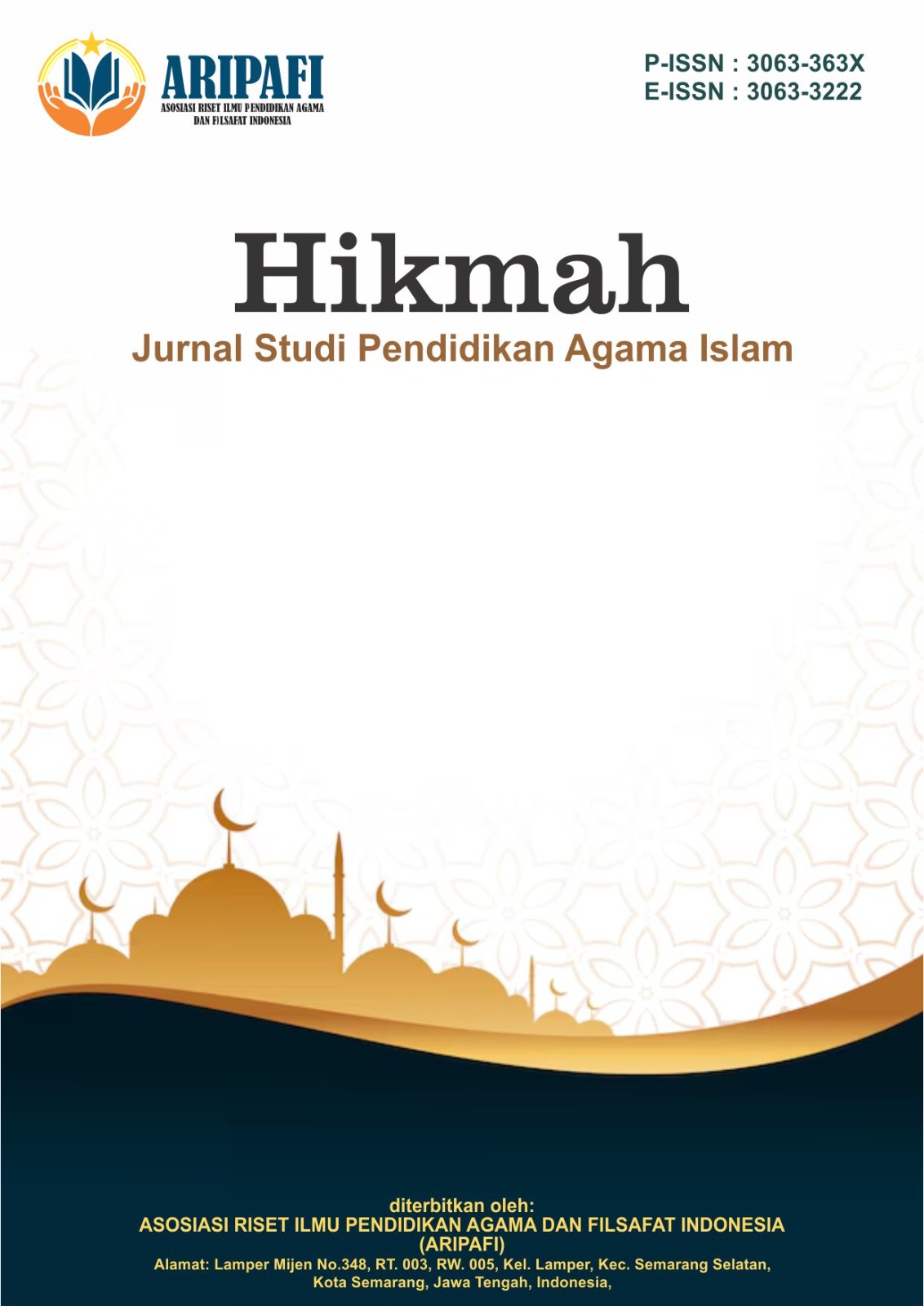
Budaya Digital Islami dalam Menyikapi Fenomena Hate speech di Media Sosial Instagram
DOI:
https://doi.org/10.61132/hikmah.v3i1.2153Keywords:
Digital Culture, Digital Literacy, Hate Speech, Instagram, IslamicAbstract
The development of Instagram as a digital communication tool has brought about significant changes in people’s interaction patterns. However, the high use of social media has also given rise to various problems, one of which is the phenomenon of hate speech, which can trigger social conflict, division, and a decline in communication ethics in the digital space. This study aims to analyze Islamic digital culture in responding to the phenomenon of hate speechon Instagram and to understand the application of Islamic values in building polite and responsible communication. The method used in this research is a qualitative literature study approach, namely by collecting data from various journals and scientific articles, as well as previous research relevant to the topic. The results show that Islamic digital culture emphasizes the importance of maintaining communication ethics, implementing tabayyun (reconciliation), avoiding hate speech, and prioritizing the values of tolerance and mutual respect in the use of social media. In addition, self-control and digital literacy based on Islamic values are important factors in creating a healthy and harmonious digital environment. This study implies that the application of Islamic digital culture can be a solution in reducing the spread of hate speechon Instagram.
References
Abidin, M. Z. (2024). Pendidikan karakter Islami dalam bingkai Pancasila dan berbasis digital. 01(September), 55–63.
Adab, F. U., Agama, I., Negeri, I., Ilmu, F., Politik, I., & Pancasakti, U. (n.d.). Perilaku penyebaran berita hoax dan hate speech di kalangan mahasiswa di media sosial Instagram, 8–22.
Anam, M. C. (n.d.). Surat edaran Kapolri tentang penanganan ujaran kebencian (hate speech) dalam kerangka hak asasi manusia, 341–364.
Digital, E. (n.d.). Karakter pendidikan di era digital.
Dwi, E., & Watie, S. (2011). Komunikasi dan media sosial (communications and social media). III, 69–75.
Fadhlan, M. (2021). Ujaran kebencian di media sosial menurut. 4(1), 1–14.
Hadiapurwa, A., Joelene, E. N., Nugraha, H., & Komara, D. A. (2023). Social media usage for language literacy development in Indonesia. Jurnal Kajian Informasi & Perpustakaan, 11(1), 109–126. https://doi.org/10.24198/jkip.v11i1.40208
Kamalludin, I., & Arief, B. N. (2019). Kebijakan formulasi hukum pidana tentang penanggulangan tindak pidana penyebaran ujaran kebencian (hate speech) di dunia maya. 15. https://doi.org/10.14710/lr.v15i1.23358
Kleinschmidt, G. (1994). Lickona, T. (1992): Educating for character: How our schools can teach respect and responsibility. New York: Bantam Books (478 Seiten) [Rezension]. Praxis der Kinderpsychologie und Kinderpsychiatrie, 43(7), 276–277.
Kudus, I. (2018). Hate speech dan penanggulangannya menurut Al-. 4. https://doi.org/10.21043/riwayah.v4i2.4518
Latif, A., Pahru, S., Wantu, A., Sahi, Y., Hamzanwadi, U., Sosial, F. I., & Gorontalo, U. N. (2022). Etika komunikasi Islam di tengah serangan budaya digital, 174–187. https://doi.org/10.37905/jacedu.v2i2.17065
Muvid, M. B. (2023). Teknologi dalam Islam: Studi analisis fenomena kecerdasan buatan (artificial intelligence) perspektif Islam. 2(1), 78–89. https://doi.org/10.5281/zenodo.8127202
Nasution, J. E. (2025). Strategi pengembangan pembelajaran PAI berbasis pendidikan karakter di era digital. 3(1), 59–65. https://doi.org/10.46781/baitul_hikmah.v3i1.1787
Oktober, N., Alamri, U., Ismail, D. E., & Puluhulawa, J. U. (2023). Upaya kepolisian dalam menanggulangi kejahatan ujaran kebencian (hate speech) berdasarkan Surat Edaran No. SE/06/X/2015 di Gorontalo penyampaian informasi, komunikasi dan/atau data secara elektronik, khususnya dalam hal. 1(4).
Putri, A. A., Nurhuda, A., Ansori, I. H., & Lathif, N. M. (2024). Contribution of lecturers in improving student ethics and morals in the digital age according to an axiological perspective. Research in Education and Rehabilitation, 7(1), 105–114. https://doi.org/10.51558/2744-1555.2024.7.1.105
Rahmawati, F. (2023). Analisis hukum dan syariah dalam budaya digital: Tantangan dan peluang di era teknologi. Al-Hiwalah: Journal of Sharia Economic Law, 2(1), 37–53. https://doi.org/10.47766/alhiwalah.v2i1.1473
Remaja, D. I. K. (2017). Motif penggunaan media sosial Instagram. April, 51–65. https://doi.org/10.36080/comm.v8i1.651
Safarudin, R., Kustati, M., & Sepriyanti, N. (2023). Penelitian kualitatif. 3, 9680–9694.
Safitri, D., Bening, A., Rahayu, A., & Rachmawati, T. (2025). Flaming comments on Rachel Vennya's Instagram posts on violations of communication ethics. 01, 1–10. https://doi.org/10.55529/jmcc.51.1.10
Sosial, M., Juliyanti, P., Bailusi, M., Syauqiyah, N., Dwi, A., & David, S. (2025). Penanggulangan penyebaran hoax dan hate speech, 1697–1709. https://doi.org/10.60126/maras.v3i4.1384
Downloads
Published
How to Cite
Issue
Section
License
Copyright (c) 2026 Amelia Putri, Nur Rizky Awaliyah, Raden Muhammad Hilmi Maulana

This work is licensed under a Creative Commons Attribution-ShareAlike 4.0 International License.